Türkçe

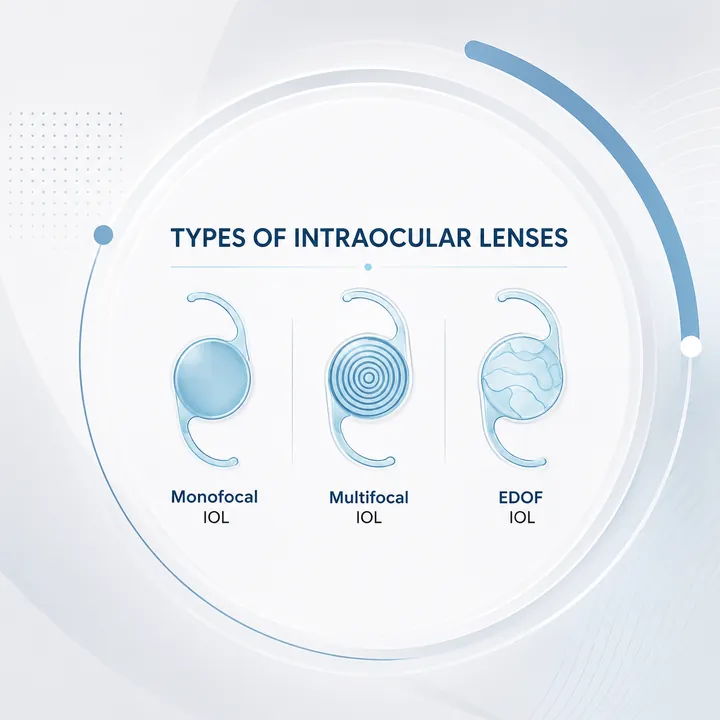
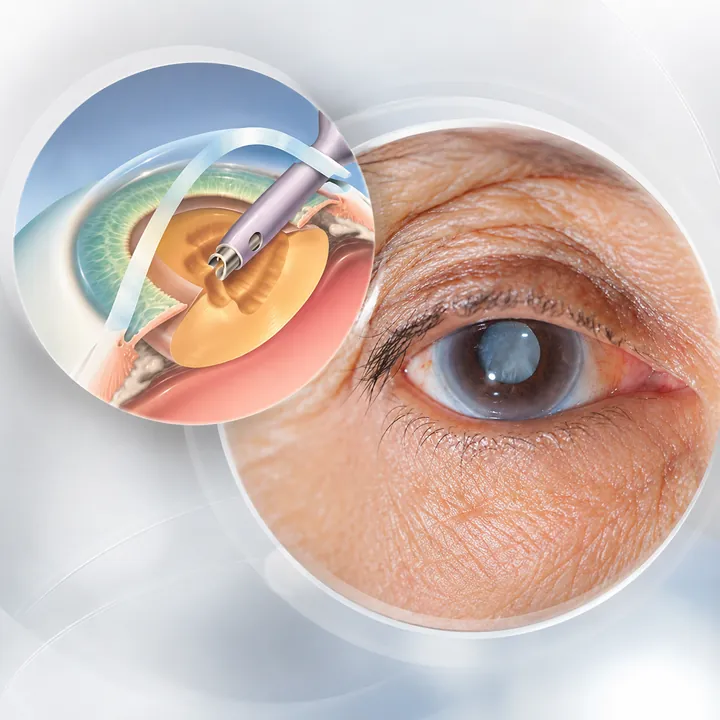
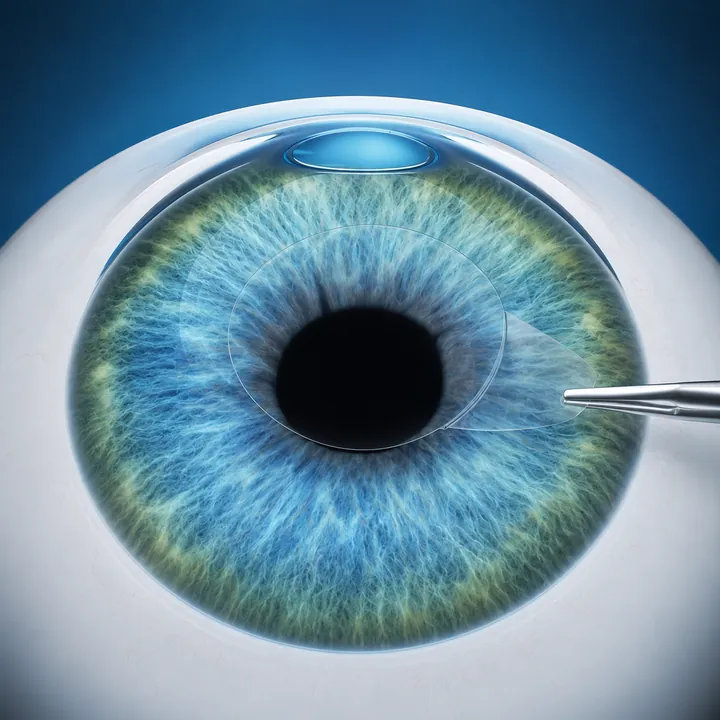
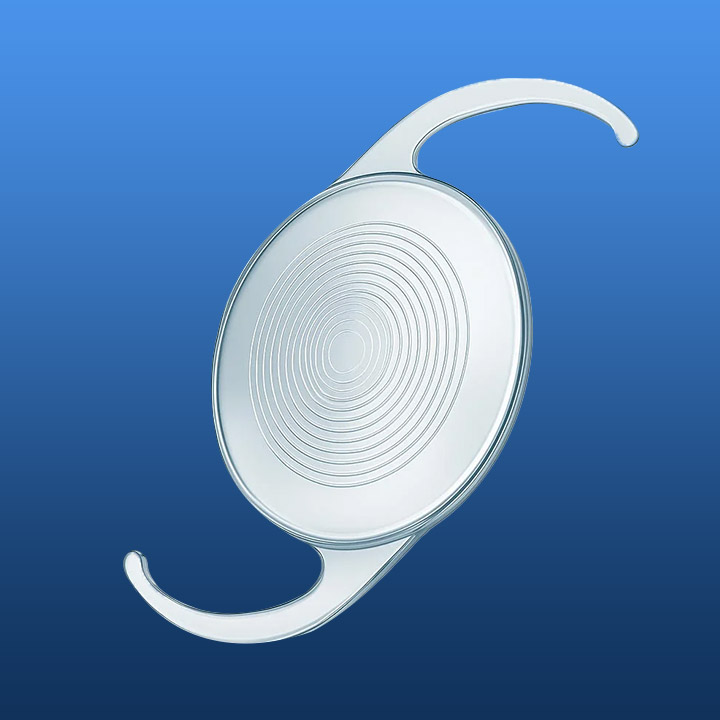
“Smart lens” is a commonly used term for special intraocular lenses that may support vision at different distances after cataract surgery or lens exchange. In medical terminology, these include multifocal, trifocal, EDOF and toric intraocular lenses. The aim is to reduce the need for glasses in daily life. However, smart lenses are not suitable for every patient. The decision requires a detailed eye examination and individualized assessment.
What Does a Smart Lens Do?
Depending on the lens design, smart lenses may support distance, intermediate and near vision. This may help patients see more comfortably while driving, using a computer, reading or performing daily activities. However, the quality of vision depends not only on the lens but also on the cornea, retina, optic nerve and ocular surface.
Who May Be Suitable for Smart Lenses?
Smart lenses may be considered in suitable patients with cataract who want to reduce dependence on glasses after surgery. They may also be discussed in selected patients with presbyopia or high refractive errors who are suitable for intraocular lens surgery. The patient’s age, occupation, lifestyle, reading habits, computer use, night driving and visual expectations are important in lens selection.
Are Smart Lenses Suitable for Everyone?
No. Smart lenses may not be suitable in patients with certain eye diseases or specific visual expectations. Advanced glaucoma, significant visual field loss, retinal or macular disease, irregular astigmatism, keratoconus or severe dry eye may affect lens suitability. In these patients, other lens options may be safer and more appropriate.
Which Measurements Are Performed Before Surgery?
Before smart lens surgery, detailed measurements are performed. These may include biometry, corneal topography, astigmatism evaluation, retinal OCT, intraocular pressure measurement and ocular surface assessment. These measurements help determine whether the lens is suitable and which lens design would be most appropriate.
How Is Vision After a Smart Lens?
In appropriately selected patients, smart lenses may significantly reduce the need for glasses at different distances. However, adaptation may take time. Some patients may experience glare, halos around lights or reduced contrast sensitivity, especially at night. These possibilities should be discussed before surgery.
Why Should Lens Selection Be Individualized?
Every patient’s eye structure and visual needs are different. A lens that is suitable for one patient may not be suitable for another. For this reason, the most appropriate lens should be selected after detailed examination, measurement and realistic expectation management.
Conclusion
Smart lenses may be a good option for suitable patients, but they are not appropriate for everyone. The most important steps are correct patient selection, detailed preoperative assessment and individualized lens planning. This content is intended for general informational purposes only. Lens suitability, diagnosis and treatment decisions should be made after detailed eye examination and evaluation of the necessary tests.