Medicana Zincirlikuyu: Büyükdere Cd. No:165

Can Children Have Glaucoma? Symptoms, Diagnosis and Treatment

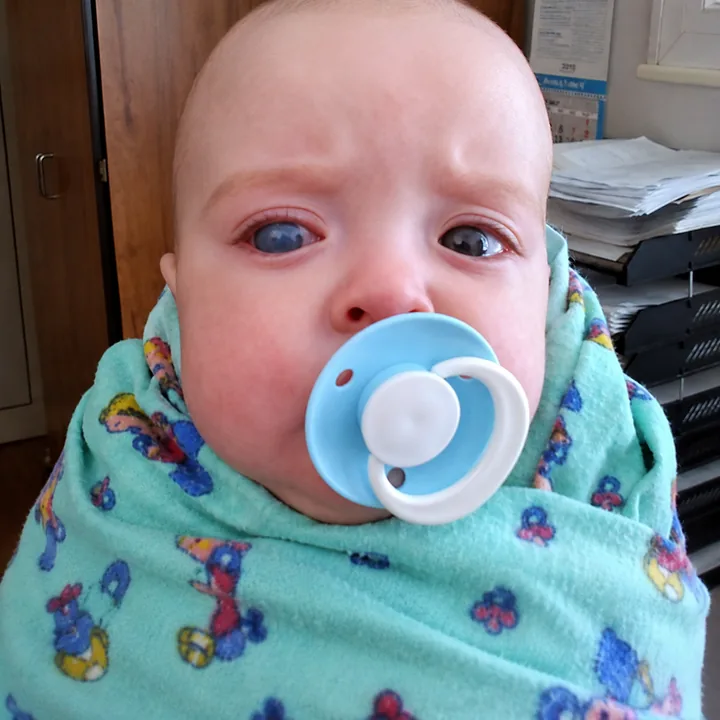
Glaucoma is generally known as a disease of adults, but it can also occur in babies and children. Childhood glaucoma is a serious eye disease that may cause increased intraocular pressure and damage to the optic nerve. If not recognized and treated early, it may negatively affect visual development. Because children may not be able to describe visual complaints clearly, families should pay attention to certain signs. Excessive tearing, light sensitivity, squeezing the eyelids shut, enlargement of the eye or corneal cloudiness may be warning signs of childhood glaucoma.

What Is Childhood Glaucoma?

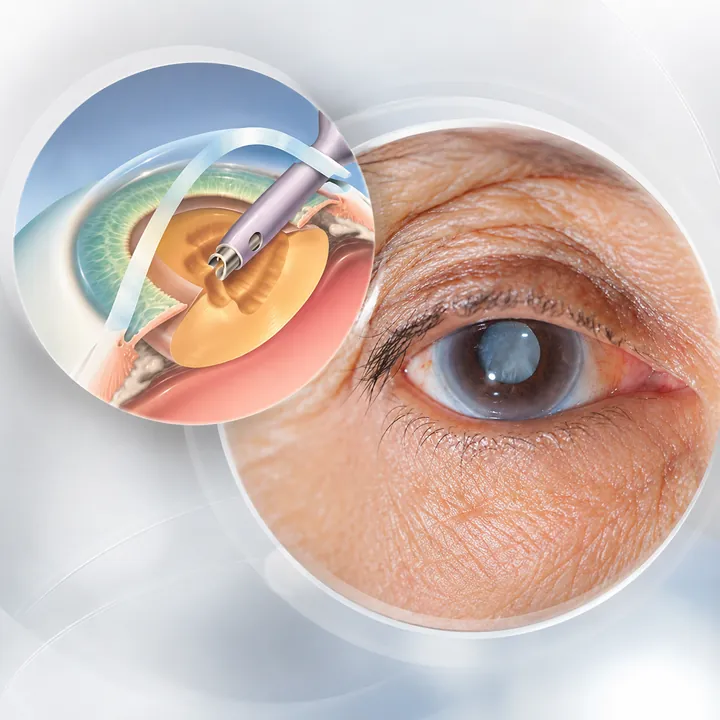
Childhood glaucoma refers to a group of diseases that develop due to increased intraocular pressure in infancy or childhood and may lead to optic nerve damage. Primary congenital glaucoma is related to developmental abnormalities in the eye’s drainage angle and usually presents within the first years of life. Glaucoma may also develop after childhood cataract surgery or in association with other eye or systemic diseases. These patients require long-term and careful follow-up.

What Are the Symptoms of Glaucoma in Babies and Children?

The main symptoms include excessive tearing, sensitivity to light and frequent squeezing or closing of the eyelids. In some babies, the eyes may appear larger than normal. Cloudiness, haziness or edema in the cornea may also be observed. Since increased pressure can affect the developing eye in children, eye enlargement may be more noticeable than in adults.

How Is Glaucoma Diagnosed in Children?

Diagnosis requires a detailed eye examination. In cooperative older children, intraocular pressure can be measured during examination and the optic nerve can be evaluated. In babies and young children, examination under general anesthesia may be necessary for accurate measurement and detailed assessment. During this examination, intraocular pressure, corneal diameter, corneal clarity, eye dimensions and optic nerve status are evaluated.

Why Is Early Diagnosis Important in Childhood Glaucoma?

The visual system in children is still developing. Uncontrolled intraocular pressure may damage the optic nerve and also cause corneal clouding, refractive errors and amblyopia. Early diagnosis and appropriate treatment can help preserve visual development. Delay in diagnosis may lead to permanent visual problems.

How Is Childhood Glaucoma Treated?

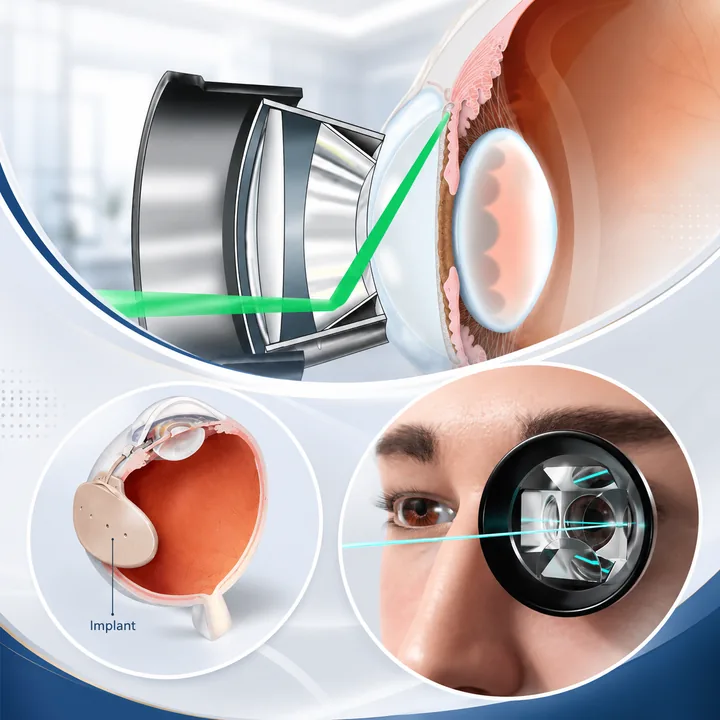
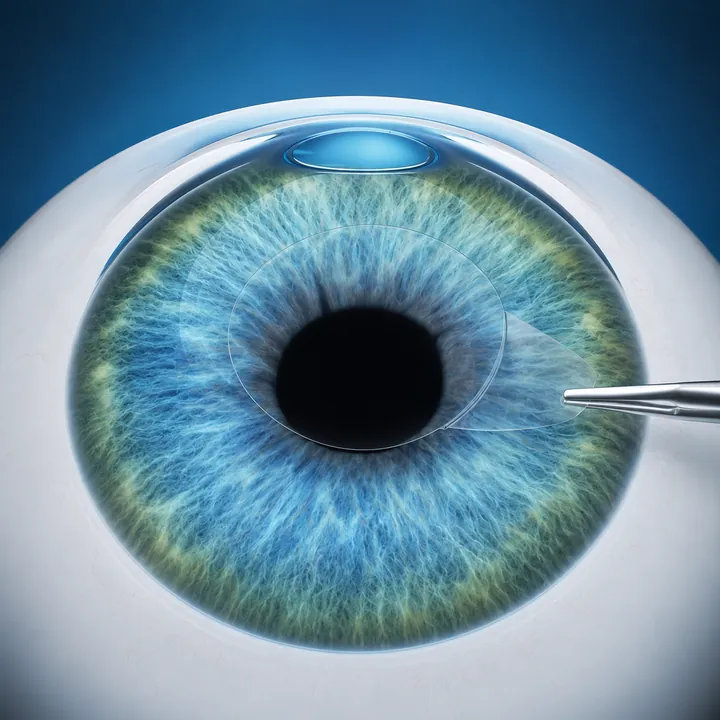
Treatment is planned according to glaucoma type, the child’s age, corneal status, eye structure and disease severity. In primary congenital glaucoma, the main treatment is usually surgical. Goniotomy, trabeculotomy and GATT surgery may be considered in suitable cases. In glaucoma that develops after cataract surgery, medication, laser treatments or glaucoma drainage implant surgery may be needed. Each child’s treatment plan should be individualized.

What Should Families Pay Attention To?

Families should consult an ophthalmologist without delay if they notice persistent tearing, light sensitivity, enlargement of the eyes, corneal cloudiness or frequent eyelid squeezing. Even after treatment, children with glaucoma require long-term follow-up. Intraocular pressure, optic nerve status, refractive errors and visual development should be monitored regularly.

Conclusion

Glaucoma can occur in children and may threaten visual development if not diagnosed early. Tearing, light sensitivity, enlarged eyes and corneal cloudiness are important warning signs. Early diagnosis, appropriate surgical or medical treatment and lifelong follow-up are essential in childhood glaucoma. This content is intended for general informational purposes only. Diagnosis and treatment decisions should be made after detailed eye examination and individualized assessment by an ophthalmologist.
info@drserhatimamoglu.com