Türkçe

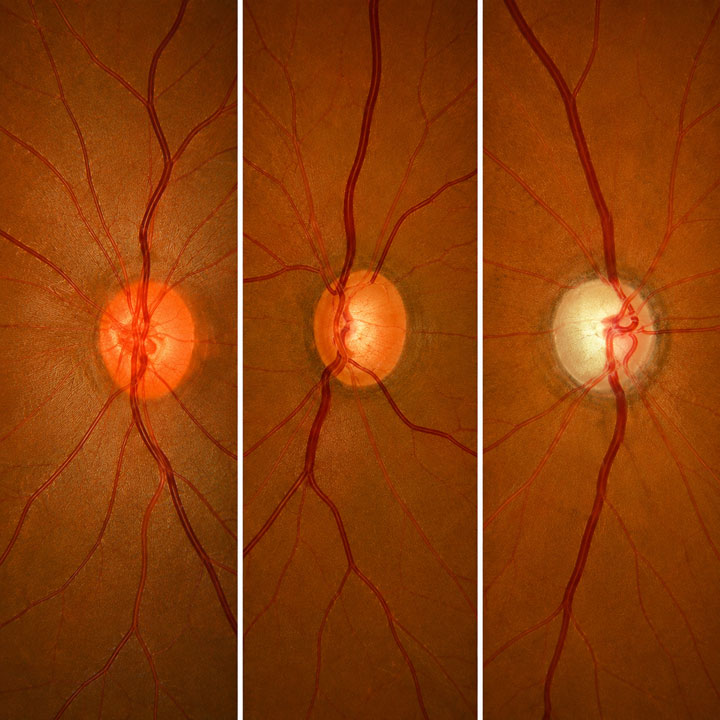
Glaucoma, commonly known as “eye pressure,” is an important eye disease that can cause progressive damage to the optic nerve. The optic nerve is the main structure that transmits visual information from the eye to the brain. If damage to this nerve is not detected early, narrowing of the visual field and, in advanced stages, permanent vision loss may develop. One of the most important features of glaucoma is that it often does not cause obvious complaints in the early stages. For this reason, glaucoma can progress unnoticed for a long time if regular eye examinations are not performed. By the time the patient notices decreased vision, optic nerve damage may already have become significant.
What Causes Glaucoma?
There is a fluid inside the eye that is continuously produced and drained. When this balance is disrupted, intraocular pressure may increase. High intraocular pressure can damage the optic nerve over time. However, glaucoma cannot be explained only by elevated eye pressure. In some patients, glaucoma may develop even when eye pressure is within normal limits, because the optic nerve is more vulnerable. Therefore, glaucoma evaluation should not be based only on eye-pressure measurement. The optic nerve structure, corneal thickness, OCT examination, visual field test and the patient’s risk factors should be evaluated together.What Are the Symptoms of Glaucoma?
Open-angle glaucoma, the most common type of glaucoma, usually progresses slowly and silently. In the early stages, there may be no pain, redness or obvious decrease in vision. As the disease progresses, narrowing of peripheral visual field may occur. This is often noticed late by the patient. In some types of glaucoma, the clinical picture may be more sudden and apparent. Severe eye pain, redness, blurred vision, colored halos around lights, headache, nausea and vomiting may occur. These symptoms require urgent eye examination.Who Is at Risk for Glaucoma?
Although glaucoma may occur at any age, some people are at higher risk. Those with a family history of glaucoma, older individuals, people with high myopia or hyperopia, long-term corticosteroid users, patients with previous eye trauma and those who have undergone eye surgery should be evaluated more carefully. Diabetes, vascular diseases and some systemic conditions may also affect optic nerve circulation and should be considered during glaucoma follow-up.How Is Glaucoma Diagnosed?
Glaucoma is diagnosed through a detailed eye examination. During the examination, intraocular pressure is measured, the optic nerve is evaluated and additional tests are performed when necessary. Main tests used in the diagnosis and follow-up of glaucoma include:- Intraocular pressure measurement
- Optic nerve examination
- Corneal thickness measurement
- OCT analysis of the optic nerve and nerve fiber layer
- Visual field testing
- Eye-angle evaluation