Türkçe

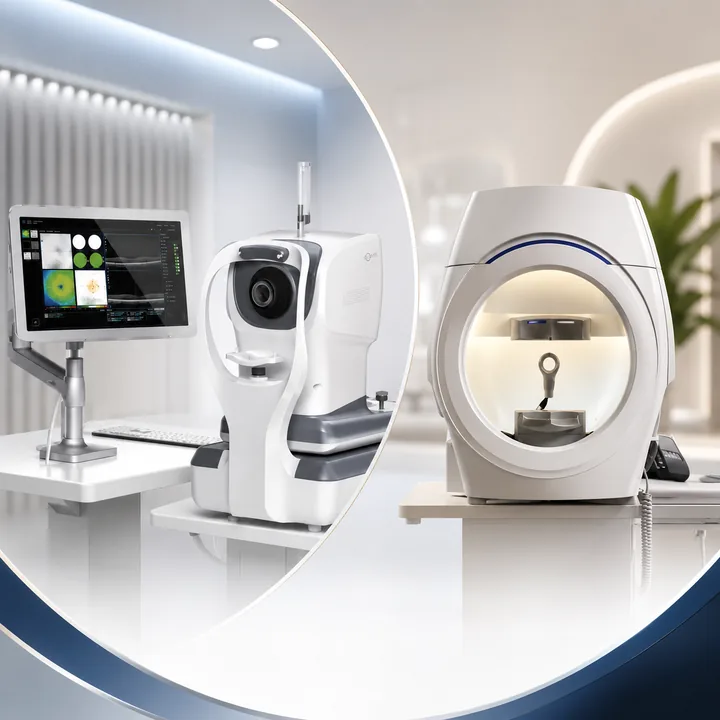
Glaucoma is a chronic eye disease that can cause progressive optic nerve damage. In diagnosis and follow-up, measuring eye pressure alone is not sufficient. The optic nerve must be evaluated structurally, and visual function must be monitored. Therefore, OCT and visual field testing are two important examinations in glaucoma assessment.
The clinical aim is to detect glaucoma-related damage as early as possible and regularly monitor whether the disease is progressing. Because each patient’s eye structure, risk factors and disease course differ, these tests should be interpreted together with examination findings.
What Is OCT?
OCT is an imaging method that shows the retina and optic nerve structures at the back of the eye in detail. In glaucoma patients, the optic nerve head and retinal nerve fiber layer are evaluated in particular.
Glaucoma-related optic nerve damage is often not noticed by the patient in the early stages. OCT helps detect thinning in the nerve fiber layer and structural changes around the optic nerve. For this reason, it contributes to diagnosis in patients suspected of having glaucoma and is used in follow-up for patients diagnosed with glaucoma.
Why Is OCT Important in Glaucoma?
In glaucoma, nerve fiber loss may occur before visual field loss becomes detectable. Therefore, OCT is valuable in some patients because it can show structural damage at an early stage. However, OCT alone does not establish a glaucoma diagnosis.
OCT findings should be evaluated together with eye pressure, optic nerve examination, corneal thickness, visual field testing and the patient’s risk factors. Myopia, age, optic nerve structure or retinal diseases may affect OCT interpretation in some patients. Therefore, the test result should be interpreted together with the clinical examination.
What Is a Visual Field Test?
A visual field test evaluates how much of the surrounding area a person can see while looking straight ahead. Because glaucoma damage usually begins in the peripheral visual field, the patient may not notice this loss early.
The visual field test helps show whether glaucoma has affected visual function. It is especially used in patients diagnosed with glaucoma to determine disease stage and monitor progression over time.
How Is a Visual Field Test Evaluated?
The visual field test requires attention and cooperation. Therefore, the reliability of the test result is important. Fatigue, inattention, learning effect or failure to fixate during the test may affect the result.
For this reason, a single visual field test may not always be sufficient. Repeated tests may be needed in suspicious cases. Progression should be assessed by evaluating test reliability and comparing results over time.
Do OCT and Visual Field Tests Replace Each Other?
No. OCT and visual field testing provide different information. OCT evaluates structural changes in the optic nerve and nerve fiber layer, while the visual field test evaluates the functional effect of these changes on vision.
In some patients, OCT may show changes before visual field loss. In others, visual field changes may be more prominent. Therefore, both tests complement each other in glaucoma diagnosis and follow-up.
How Often Are These Tests Performed in Glaucoma Follow-Up?
Test frequency is determined according to glaucoma type, disease stage, risk factors and whether progression is suspected. Newly diagnosed or high-risk patients may need more frequent testing, while stable patients may be followed at longer intervals.
The physician determines the test schedule based on intraocular pressure, optic nerve appearance, OCT findings, visual field results and treatment response.
Conclusion
OCT and visual field testing are two important and complementary examinations in glaucoma diagnosis and follow-up. OCT provides structural information about the optic nerve and nerve fiber layer, while the visual field test shows how glaucoma affects vision functionally.
In glaucoma, the goal is to detect damage early, monitor progression and adjust treatment when necessary. Therefore, these tests should be interpreted not alone, but together with a detailed eye examination.
This content is intended for general informational purposes only. Diagnosis, follow-up and treatment decisions should be made after detailed eye examination and evaluation of the necessary tests.