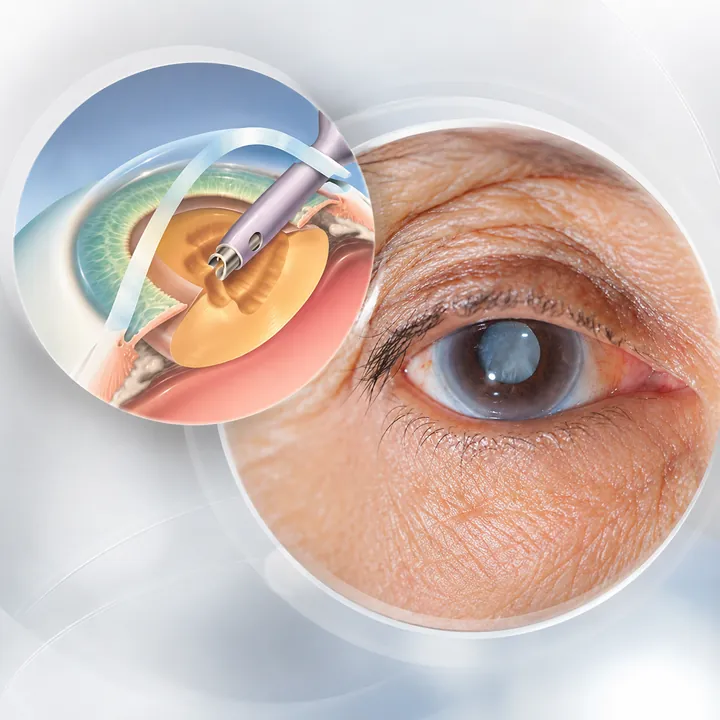
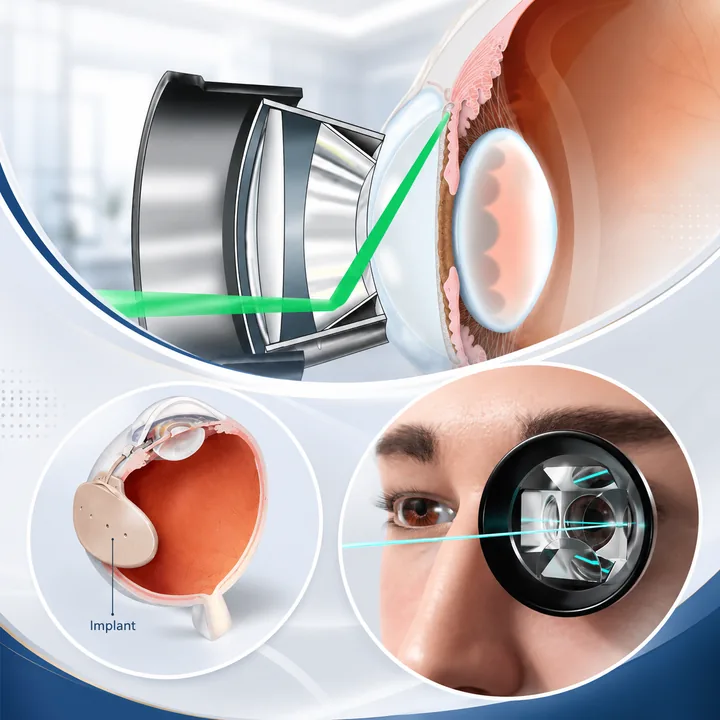
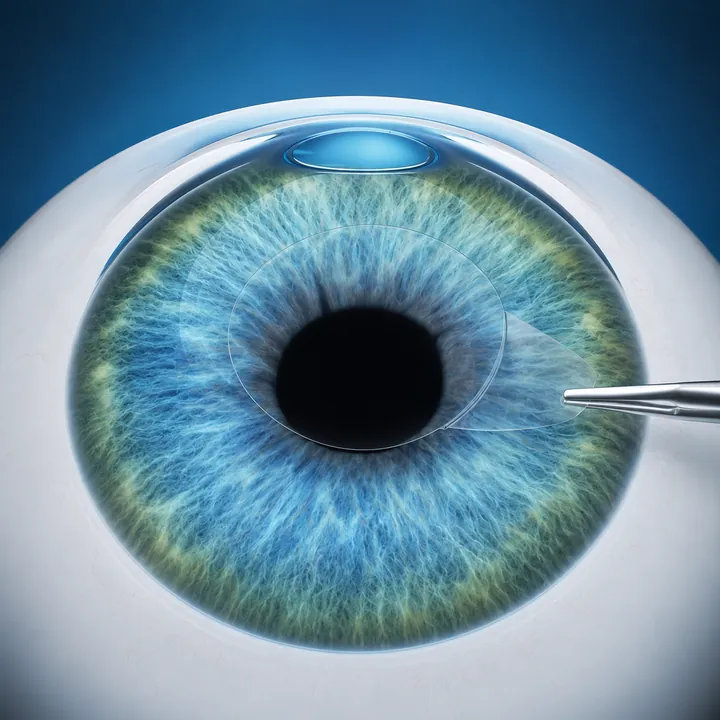
Türkçe

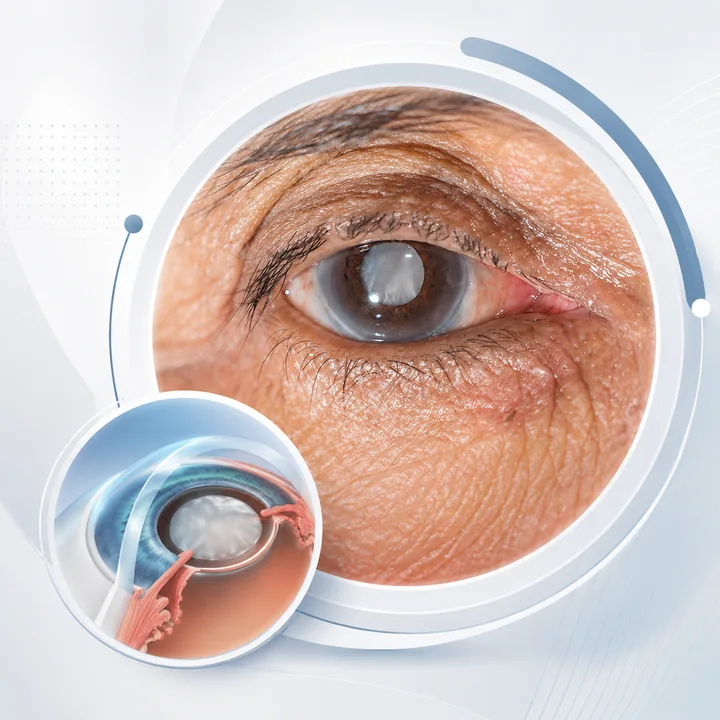
Cataract surgery is the surgical removal of the clouded natural lens of the eye and its replacement with an artificial intraocular lens. It is one of the most commonly performed eye surgeries worldwide and is planned individually according to the patient’s eye structure and visual needs. The process includes preoperative evaluation, lens selection, surgery and postoperative follow-up. Each step affects the final visual outcome.
Preoperative Evaluation Before Cataract Surgery
Before cataract surgery, a detailed eye examination is performed. Visual acuity is measured, the cataract is examined with a slit-lamp microscope, and the cornea, retina, optic nerve and intraocular pressure are evaluated. Additional tests may be needed in patients with glaucoma, retinal disease, corneal problems or previous eye surgery. These findings help determine surgical planning and expected visual outcome.
What Is Biometry and Why Is It Important?
Biometry is the measurement used to calculate the power of the intraocular lens that will be implanted during surgery. Eye length, corneal curvature and other parameters are evaluated. Accurate biometry is essential for achieving the desired postoperative refractive result. In patients with astigmatism or special lens planning, additional measurements may be needed.
How Is Cataract Surgery Performed?
Cataract surgery is usually performed with the phacoemulsification method. A small incision is made at the corneal edge. The cloudy lens is fragmented with ultrasound energy and removed, while the lens capsule is preserved. An artificial intraocular lens is then placed into the capsule. The operation is often completed without sutures. The type of anesthesia and surgical plan may vary according to the patient’s condition.
How Is the Intraocular Lens Selected?
Lens selection is based on the patient’s eye structure, age, occupation, lifestyle, astigmatism level, retina and corneal status, and visual expectations. Standard monofocal lenses may target distance vision. Toric lenses may be used in patients with astigmatism. Multifocal, trifocal or EDOF lenses may be considered in suitable patients who wish to reduce dependence on glasses at different distances.
Postoperative Process After Cataract Surgery
After surgery, mild stinging, tearing, light sensitivity and blurred vision may occur in the first days. Vision usually improves gradually. Prescribed drops should be used regularly. Eye rubbing should be avoided and hygiene should be maintained. Follow-up examinations are important to monitor healing and intraocular pressure.
What Should Be Considered After Surgery?
Patients should avoid rubbing the eye, swimming, exposure to dusty environments and heavy physical activity for the period recommended by the physician. Sudden vision loss, severe pain, marked redness or discharge should prompt immediate medical contact.
How Much Does Cataract Surgery Improve Vision?
The degree of visual improvement depends on cataract density and the health of other eye structures such as the retina, optic nerve and cornea. In eyes without additional disease, a significant improvement in vision is usually expected. In patients with glaucoma, retinal disease or corneal problems, final vision may be limited by these additional conditions.
Conclusion
Cataract surgery is a personalized process that includes detailed preoperative evaluation, accurate biometry, appropriate lens selection and careful postoperative follow-up. The goal is not only to remove the cataract, but also to provide the safest and most appropriate visual plan for the patient’s eye structure. This content is intended for general informational purposes only. Diagnosis and treatment decisions should be made after detailed eye examination and individualized assessment by an ophthalmologist.