Medicana Zincirlikuyu: Büyükdere Cd. No:165

Eye Drops, Laser and Surgery Options in Glaucoma Treatment

Glaucoma treatment aims to reduce intraocular pressure, protect the optic nerve and slow the progression of the disease. Because optic nerve damage caused by glaucoma is generally irreversible, early diagnosis and regular follow-up are very important. Treatment options may include eye drops, laser procedures and surgical methods. The appropriate option is determined according to glaucoma type, disease stage, eye pressure level, optic nerve damage, visual field findings and the patient’s clinical characteristics.

What Is the Aim of Glaucoma Treatment?

The aim of glaucoma treatment is not to restore vision that has already been lost, but to protect existing vision and prevent or slow further damage. For this purpose, a target intraocular pressure is determined for each patient. This target may vary according to disease severity, optic nerve condition, visual field findings and risk factors. Some patients may be followed with drops alone, while others may require laser or surgical treatment.

Eye-Drop Treatment in Glaucoma

Eye drops are one of the most commonly used methods in glaucoma treatment. These drops reduce intraocular pressure by either decreasing fluid production inside the eye or increasing fluid outflow. For treatment to be effective, drops must be used regularly and correctly. Side effects such as redness, burning, stinging, allergy or changes around the eyelids may occur in some patients. If drops cannot be used regularly or sufficient pressure control cannot be achieved, other treatment options may be considered.

Laser Treatment in Glaucoma

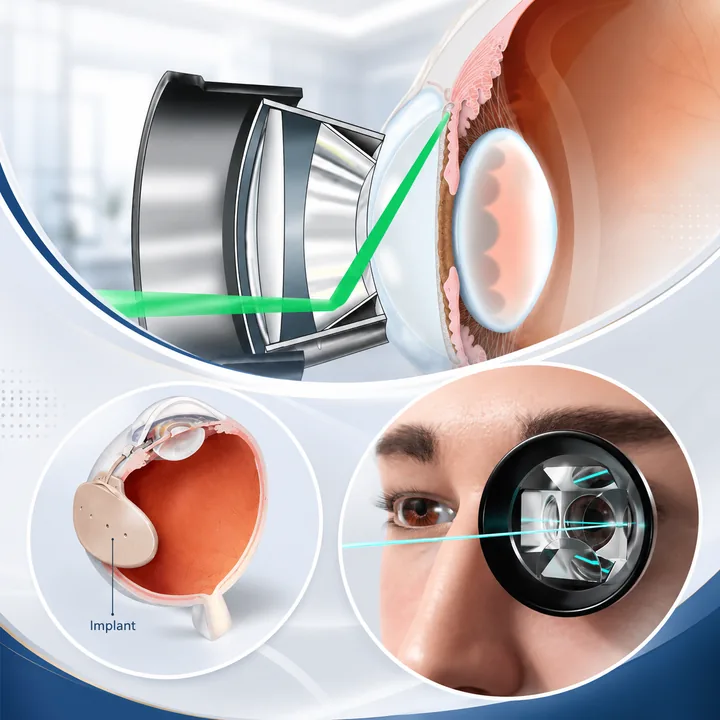
Laser treatments may be used in selected glaucoma patients to help reduce intraocular pressure. Selective laser trabeculoplasty can be preferred in suitable cases of open-angle glaucoma to increase fluid outflow through the eye’s natural drainage pathways. In narrow-angle or angle-closure-risk eyes, laser peripheral iridotomy may be performed. The appropriate laser method is selected according to the patient’s eye-angle structure, glaucoma type and clinical findings.

When Is Glaucoma Surgery Necessary?

Glaucoma surgery may be considered when adequate intraocular pressure control cannot be achieved with medication or laser treatment, when disease progression continues or when medication cannot be used regularly. The aim of surgery is to reduce pressure to a safer level and protect the optic nerve. The surgical method is selected according to glaucoma type, disease stage, target pressure and previous treatments.

Surgical Methods Used in Glaucoma

Surgical options include conventional glaucoma surgeries such as trabeculectomy and glaucoma drainage implants, as well as modern microinvasive glaucoma surgeries known as MIGS. MIGS procedures may be suitable in selected patients with early or moderate glaucoma. Conventional surgeries may be preferred in more advanced, refractory or complex cases. Laser procedures such as micropulse diode laser may also be considered in suitable patients.

How Is Treatment Selected?

Treatment selection in glaucoma is individualized. Age, general health, eye structure, disease stage, adherence to drops, occupation, lifestyle and risk of progression are considered. The same treatment is not appropriate for every glaucoma patient. Therefore, treatment planning should be based on detailed examination findings and close follow-up.

Regular Follow-Up Is Part of Treatment

Glaucoma is a chronic disease. Even when treatment is started, patients should be followed regularly to evaluate pressure control, optic nerve status and visual field findings. Treatment may need to be changed over time. Additional drops, laser or surgery may become necessary. Regular follow-up is essential for preserving vision.

Conclusion

Eye drops, laser treatments and surgical methods are complementary options in glaucoma treatment. The treatment plan should be individualized according to glaucoma type, disease stage and patient-specific features. Early diagnosis, appropriate treatment and regular follow-up are the most important factors in preserving vision in glaucoma. This content is intended for general informational purposes only. Diagnosis, follow-up and treatment decisions should be made after detailed eye examination and evaluation of the necessary tests.
info@drserhatimamoglu.com