Medicana Zincirlikuyu: Büyükdere Cd. No:165

Who Can Have Laser Eye Surgery?

Laser eye surgery is one of the refractive surgery methods used to reduce or correct refractive errors such as myopia, hyperopia and astigmatism. The aim is to reduce the need for glasses or contact lenses in suitable patients and provide more independent vision in daily life. However, laser eye surgery is not suitable for every patient. The surgical decision is not made by considering the eye prescription alone. Corneal structure, corneal thickness, corneal topography, stability of the refractive error, ocular surface health, retina and general eye examination should all be evaluated together.

In Which Situations Can Laser Eye Surgery Be Considered?

Laser eye surgery may be considered in suitable patients who use glasses or contact lenses and have myopia, hyperopia or astigmatism. In general, the eye prescription is expected to have remained stable for a certain period. Therefore, whether there has been a significant change in prescription in recent years is important. The patient’s age, occupation, lifestyle, sports habits, night driving, computer use and visual expectations are also considered during surgical planning. In refractive surgery, the goal is not only to reduce the prescription but to create a safe visual plan suitable for the patient’s eye structure.

Which Tests Are Performed Before Laser Surgery?

A detailed eye examination is required before laser eye surgery. In this evaluation, the prescription is measured, intraocular pressure is checked, and the retina and optic nerve are examined. One of the most important steps is corneal evaluation. Corneal topography provides information about the shape and regularity of the cornea. Corneal thickness is important for determining whether enough tissue will remain after laser treatment. Ocular surface and dry-eye findings may also affect postoperative comfort and visual quality. Therefore, laser suitability cannot be evaluated only by asking, “Is my prescription suitable for laser?” All structural and functional features of the eye should be considered together.

Who May Not Be Suitable for Laser Eye Surgery?

Laser eye surgery may not be suitable in some patients. Corneal irregularity, suspicion of keratoconus, insufficient corneal thickness, uncontrolled dry eye, active eye infection, certain retinal diseases or ongoing changes in prescription are conditions that require careful evaluation for laser surgery. Some systemic diseases, medications, pregnancy and breastfeeding may also affect surgical timing or suitability. Therefore, every patient should be evaluated individually.

What Is the Difference Between LASIK, PRK and SMILE?

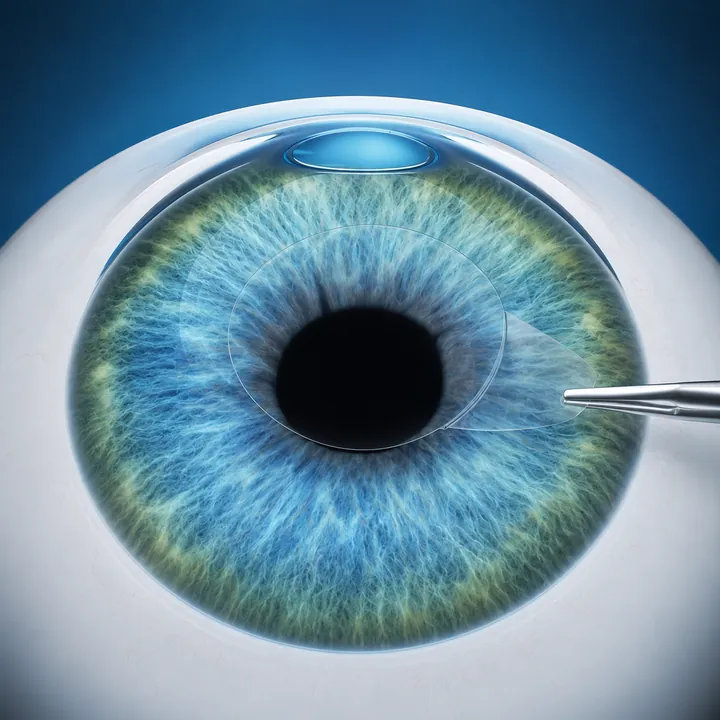
Different methods may be used in laser eye surgery. LASIK, PRK and SMILE are among the best-known refractive surgery methods. The appropriate method is determined according to corneal structure, prescription, occupation, lifestyle and examination findings. LASIK may provide the advantage of rapid visual recovery in some patients. PRK or surface ablation methods may be preferred in certain corneal characteristics. SMILE is a different technology that may be considered in suitable patients with myopia and astigmatism. However, no single method is “the best” for every patient. The right method should be selected for the right patient.

What Is Vision Like After Laser Surgery?

The aim after laser eye surgery is to reduce the patient’s need for glasses or contact lenses. However, results may vary depending on eye structure, prescription, corneal characteristics, healing response and the selected surgical method. In the early postoperative period, dryness, stinging, light sensitivity, fluctuating vision or night-light scattering may occur. The duration and severity of these complaints vary from person to person. Therefore, realistic information about the process should be provided before surgery.

Why Is Corneal Topography Important?

Corneal topography is one of the most critical examinations in planning laser surgery. It evaluates whether the cornea is regular and assesses the risk of keratoconus or ectasia. Performing laser treatment on an unsuitable corneal structure may negatively affect visual quality. Therefore, corneal topography and corneal thickness measurements should be carefully evaluated in patients planned for laser surgery. Safe surgical planning is one of the basic principles of refractive surgery.

How Should the Decision for Laser Surgery Be Made?

The decision for laser eye surgery should be individualized. Not only the patient’s prescription but also corneal structure, ocular surface, retinal status, age, occupation, lifestyle and expectations should be evaluated together. Some patients may be suitable for laser, whereas in others contact lenses, glasses, intraocular lens surgery or follow-up may be more appropriate. Therefore, the most important step in refractive surgery is to determine the method that is suitable for the patient.

Conclusion

Laser eye surgery is an effective refractive surgery option for myopia, hyperopia and astigmatism in suitable patients. However, not every patient is suitable for laser. Corneal topography, corneal thickness, stability of the prescription, ocular surface health and general eye examination should be evaluated together. Successful refractive surgery planning is possible with correct patient selection, appropriate method choice and realistic expectation management. The aim is not only to reduce the glasses prescription but to create a safe, sustainable visual plan suitable for the patient’s eye structure. This content is intended for general informational purposes only. Suitability for laser eye surgery, diagnosis and treatment decisions should be determined after detailed eye examination, evaluation of the patient’s clinical status and assessment of the necessary tests.
info@drserhatimamoglu.com